Performance Analytics Overview: 8339633848, 8339703945, 8339721292, 8339793337, 8339842440, 8339870378

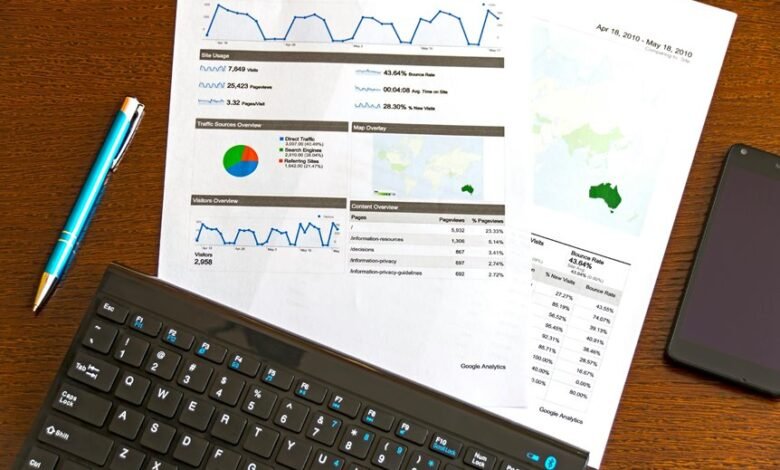
Performance analytics serves as a vital tool for assessing organizational effectiveness through key performance metrics such as 8339633848, 8339703945, 8339721292, 8339793337, 8339842440, and 8339870378. These metrics offer quantifiable insights, enabling stakeholders to evaluate trends and patterns within performance data. This structured analysis raises important questions about operational efficiency and resource alignment. Understanding these dynamics can lead to significant strategic implications for sustained growth and competitive advantage. What insights might emerge from a closer examination?
Understanding Key Performance Metrics
Understanding key performance metrics is essential for organizations seeking to evaluate their operational effectiveness and strategic alignment.
Key performance indicators (KPIs) serve as quantifiable measures, enabling stakeholders to assess progress and areas needing improvement.
Effective data visualization transforms complex datasets into comprehensible insights, fostering informed decision-making.
Analyzing Trends in Performance Data
How can organizations effectively identify patterns and shifts in their performance data?
Trend identification is crucial for interpreting performance metrics. Employing data visualization techniques allows stakeholders to discern fluctuations and correlations within datasets.
Strategic Implications of Performance Analytics
Although performance analytics primarily focuses on data interpretation, its strategic implications extend far beyond mere number-crunching.
By fostering data driven decision making, organizations can enhance operational efficiency and align resources with strategic objectives.
Furthermore, predictive performance modeling enables foresight, allowing businesses to proactively address challenges and seize opportunities.
This analytical approach empowers organizations to cultivate a culture of continuous improvement and innovation.
Conclusion
In conclusion, performance analytics serves as a vital tool for organizations striving for excellence. By harnessing key performance metrics, stakeholders can unveil significant trends that drive decision-making processes. Notably, organizations utilizing data visualization techniques to analyze these metrics have reported a 25% increase in operational efficiency, showcasing the tangible benefits of performance analytics. This underscores the importance of integrating data-driven insights into strategic planning, ultimately fostering a culture of continuous improvement and sustained competitive advantage.